
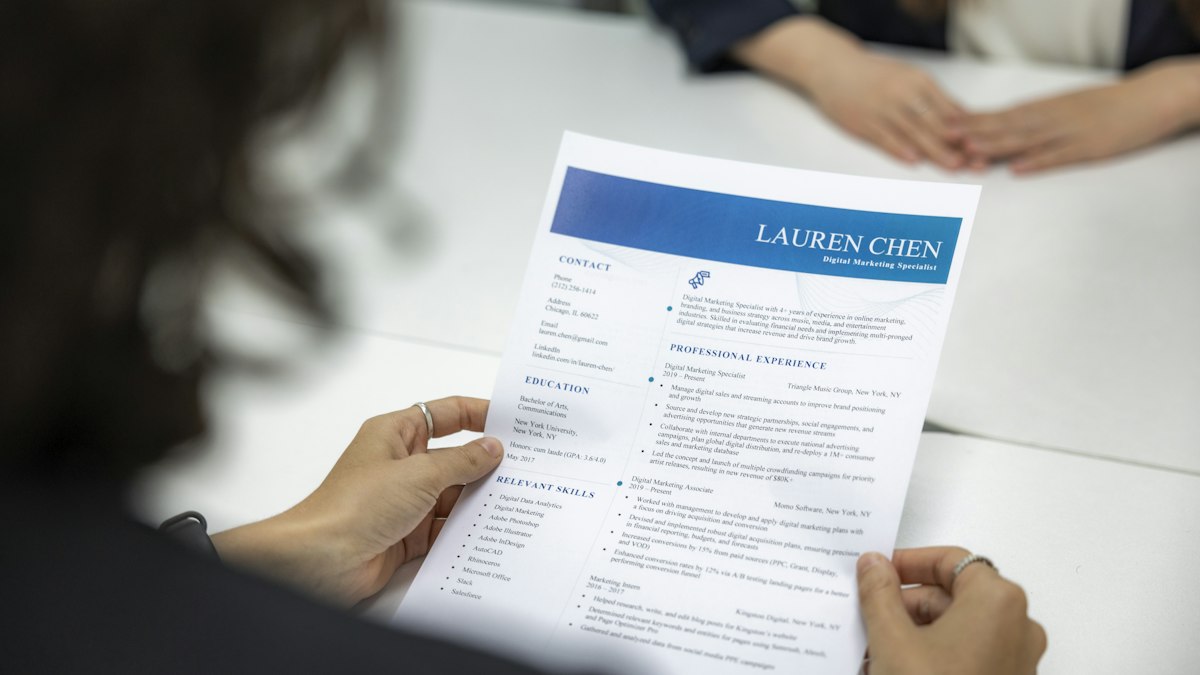
Your resume is often the first and only chance to convince an Australian employer to call you. Many skilled newcomers are overlooked not because they lack experience, but because their resume follows a format that Australian recruiters do not expect. Getting the resume format for Australia right can make a real difference to how many interviews you get.
This guide covers the structure, length and content that work best, plus the mistakes to avoid.
What Australian Employers Look For
Recruiters in Australia usually skim a resume quickly before deciding whether to read it in detail. They want to see, at a glance:
- What role you do and at what level
- Relevant skills that match the job advertisement
- Clear achievements, not just a list of duties
- Recent experience presented first
- Whether you have the right to work in Australia
Recommended Resume Format for Australia
Length
For most professionals, two to three pages is a common guide. Graduates may need less. Very long resumes are rarely read in full.
Structure
- Contact details: name, phone, email, city and LinkedIn profile.
- Professional summary: three to five lines describing who you are, your experience level and what you offer.
- Key skills: a short list of technical and professional skills relevant to the role.
- Work experience: in reverse chronological order, with job title, employer, location and dates.
- Education and qualifications: including any Australian assessment or recognition.
- Certifications and training: licences, short courses and industry certifications.
- Referees: names or the note “available on request”.
Work rights
Many newcomers add a short line near the top stating their visa status or work rights. This answers a question employers often have before they ask it.
What to Leave Out
Australian resumes usually do not include:
- A photo
- Date of birth or age
- Marital status or number of children
- Religion or nationality details beyond work rights
- Full home address
- Salary history
Leaving these out keeps the focus on your skills and helps avoid unconscious bias.
Show Achievements, Not Just Duties
Instead of “Responsible for managing suppliers”, try something like “Managed a panel of suppliers and reduced delivery delays by renegotiating service terms”. Where you can, use numbers, results and scope, such as team size, budgets, projects or improvements.
Tailor Every Application
Read the job advertisement carefully and mirror its key terms where they genuinely apply to you. Many employers and recruiters use screening software that looks for relevant keywords. A tailored resume almost always performs better than a generic one.
It also helps to describe your experience using terms that match how Australia classifies your work. Our guide on skilled occupation lists explained can help you understand those terms.
Explain Overseas Experience Clearly
Australian recruiters may not know your previous employers. Add a short line describing each company, such as its industry and size. If your qualifications have been assessed, mention it. Learn more in what is a skills assessment for Australia.
Write a Short Cover Letter
Many applications still expect a cover letter. Keep it to one page, explain why you are interested in that specific role and highlight two or three achievements that match the advertisement.
Common Resume Mistakes
- Using the same resume for every job
- Long paragraphs instead of clear bullet points
- Spelling and grammar errors, including US spelling in Australian applications
- Unexplained employment gaps
- Listing duties without results
- Overstating your role or qualifications
Resume Checklist
- Two to three pages, clean and readable
- Professional summary at the top
- Work rights stated clearly
- Reverse chronological experience with achievements
- No photo, age or marital status
- Tailored to the job advertisement
- Checked for Australian spelling
Frequently Asked Questions
Is a CV the same as a resume in Australia?
The terms are often used interchangeably in Australia. Academic and research roles may expect a longer CV.
Should I include my visa status on my resume?
Many newcomers do, because it answers an important employer question early. Keep it short and accurate.
Do I need referees from Australia?
Not necessarily. Overseas referees are common for newcomers, but make sure they can be contacted easily and can speak about your work.
Should my resume mention my English level?
If you have a strong test result or work in English, it can help to mention it. Learn more about English language requirements for Australian visas.
Take the Next Step
A strong resume is one part of a wider job search strategy. Learn how to get noticed by recruiters in LinkedIn and recruitment agencies in Australia, explore in-demand jobs in Australia this year, read our jobs guidance for newcomers, and contact us if you would like support with your plans.